
Philosophy & Modern Life
Silence Has a Cover Charge Now
Quiet used to be free. Then it became a product — silent gyms, phone-free bars, off-grid resorts — and the price tag went up. Who gets to hear their own thoughts anymore?
Less noise. More signal. Nothing but the void.
Quiet used to be free. Then it became a product — silent gyms, phone-free bars, off-grid resorts — and the price tag went up. Who gets to hear their own thoughts anymore?

America has decided that a big social circle is a public health metric. But for some people, one or two close people — or even zero — isn't a crisis. It's the whole point.
A career ladder, five group chats, a five-year plan, a spare room full of 'someday' stuff, and the self-improvement industrial complex — all gone. Here's what showed up in the space they left.

Every tool you add, every option you keep open, every decision you defer — it all costs something. Constraints get a bad reputation, but the people doing the most interesting work tend to have fewer choices, not more. Here's why that's not a coincidence.

Deep focus used to be something anyone could stumble into. Now it's starting to look a lot like a gated community. When the ability to sustain attention becomes a luxury, the question isn't just about productivity — it's about power.

Most of what passes for conversation is really just two people taking turns performing. The words are there, the eye contact is close enough, but something underneath the whole exchange is missing. This is about what that missing thing is — and what it takes to bring it back.
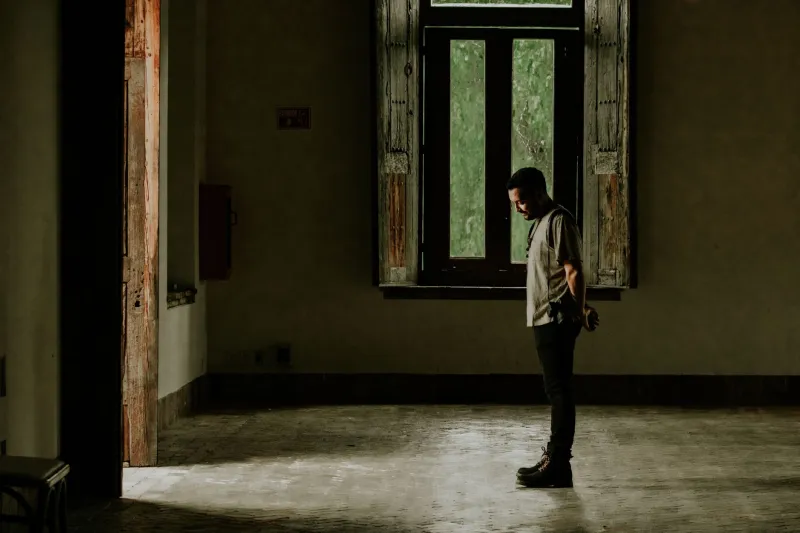
We live in an age of algorithmic comfort and curated experience, yet the craving for something raw and unfiltered never goes away. What does it mean to actually want something — and why does modern life make that so hard to sit with?
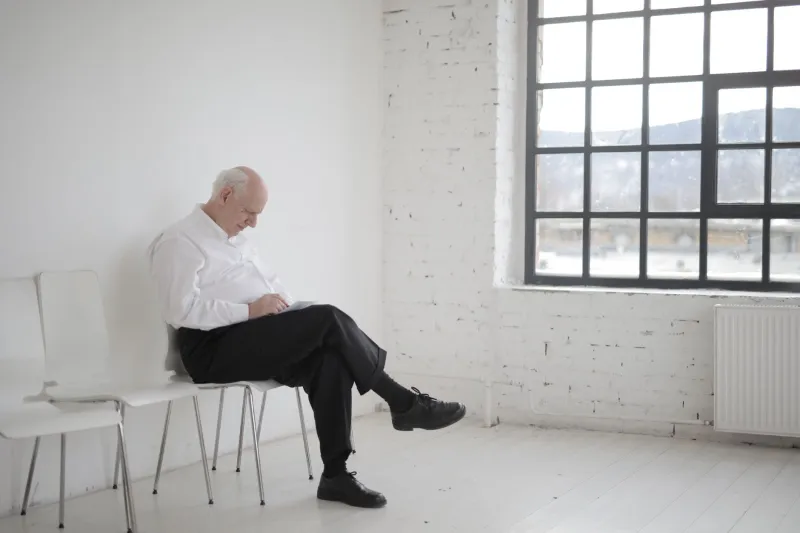
Every conversation you've been quietly postponing is quietly charging interest. The silence feels safe, but it's actually one of the most expensive choices you can make — emotionally, professionally, and in the relationships that matter most to you.
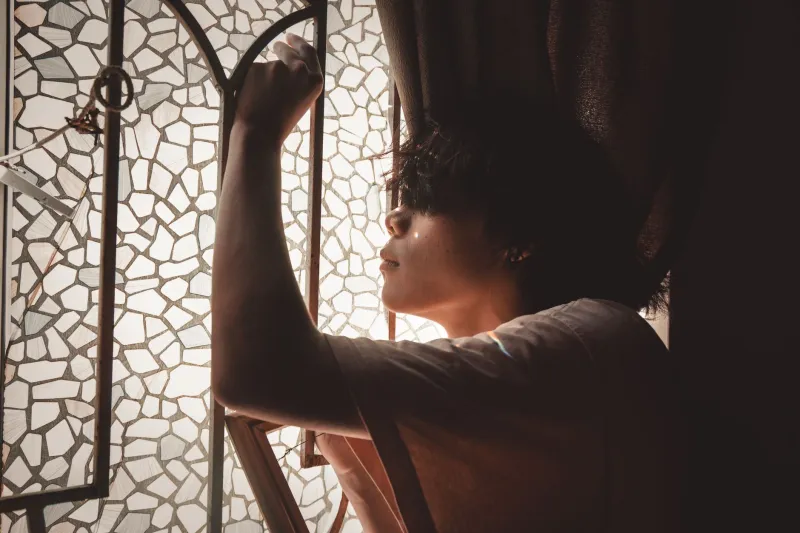
Somewhere between the infinite scroll and the 24-hour content cycle, we quietly lost one of the most important cognitive skills humans ever had: the ability to do absolutely nothing and let the mind wander. For younger generations raised on constant stimulation, boredom isn't just uncomfortable — it's becoming genuinely unfamiliar.

The aesthetics of less — fewer notifications, fewer commitments, fewer things — have never been more culturally appealing. But opting out of the noise requires a specific kind of safety net that not everyone has. Before we celebrate the void, it's worth asking who built the exit ramp.
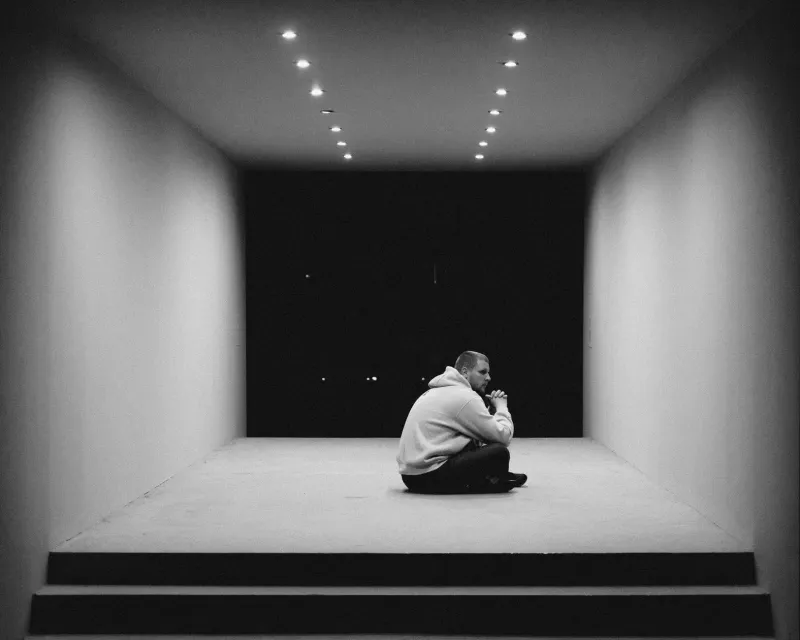
Most Americans can't sit still for ten minutes without reaching for their phone, a to-do list, or an excuse. This isn't laziness — it's conditioning. And it's worth examining what we lose when we treat stillness like a character flaw.

For 30 days, I turned off every alert on every device I owned — no pings, no banners, no red dots. What followed wasn't peace. It was a full-on psychological reckoning with how thoroughly I'd handed my attention over to an algorithm.

America loves a good productivity system. But what if the whole premise is broken — and the real answer isn't managing your commitments better, but asking whether most of them should exist at all? This is the case for subtraction over optimization.
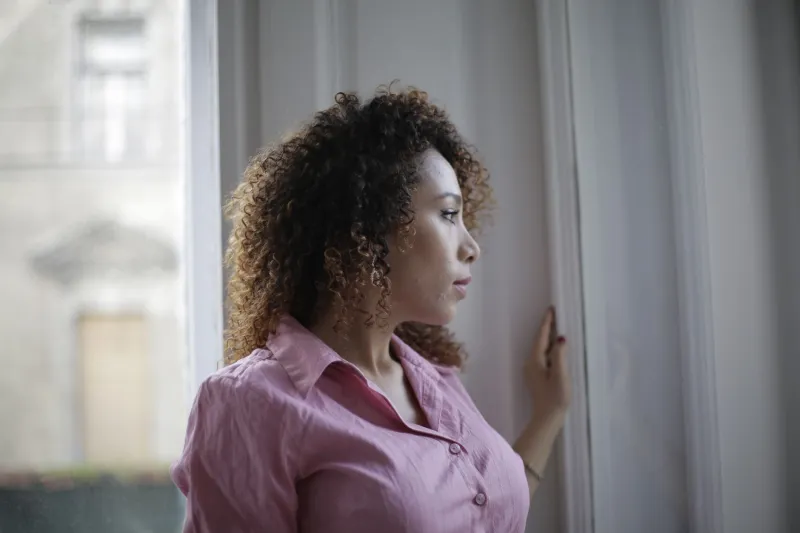
There's a sliver of time between what happens to you and what you do about it. It's barely a second long, and American culture has spent decades training you to skip it entirely. Reclaiming that zero moment might be the simplest, highest-leverage thing you never knew you were missing.

Before the first draft, there's something rawer — a messy, unfiltered spill of thought that most writers delete before anyone sees it. The zero draft isn't a failure state. It might actually be where the real stuff lives.
There's an accounting trick where you throw out last year's budget entirely and justify every dollar from scratch. What if you ran the same experiment on your entire life? Most people find the results uncomfortable — and clarifying.
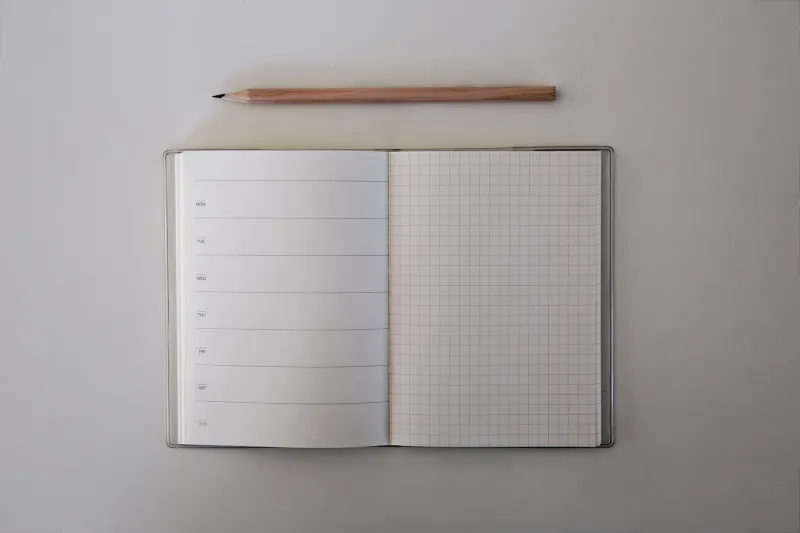
There's a stage of creative work that most people skip entirely — the part where nothing is expected of you, not even a bad idea. It's called the zero draft, and it might be the most honest thing you ever put on paper. Here's why letting your first attempt be genuinely worthless is the secret to making something real.
Americans have turned a clean notification screen into a spiritual achievement — but the relief lasts about twelve seconds before the compulsive checking begins again. Inbox zero was never about peace. It was always about control, and those two things couldn't be further apart.