Silence Has a Cover Charge Now
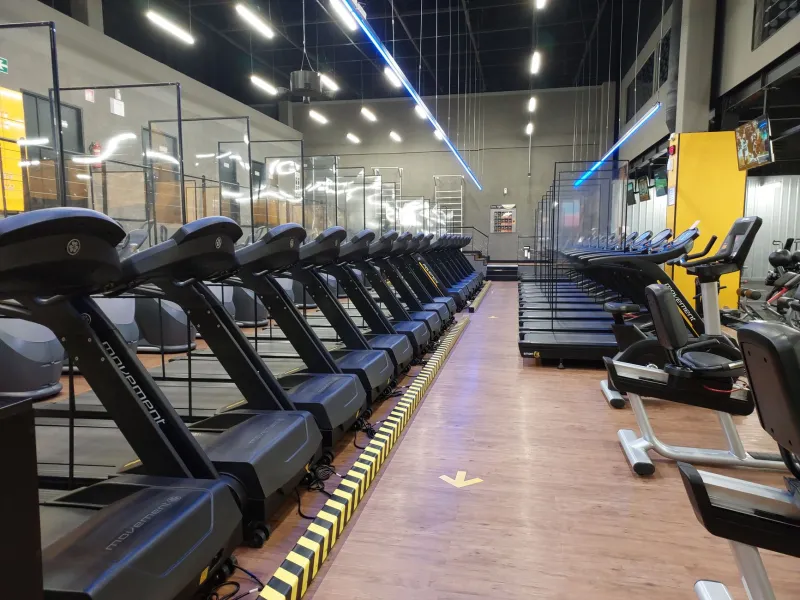
There's a gym in Manhattan where the treadmills don't have screens. No music pumping through the ceiling, no TVs on the walls, no one barking into a Bluetooth headset mid-sprint. Just the sound of feet on rubber and your own breathing, which — if you haven't heard it in a while — can be startling.
A month at that gym costs more than my car payment.
This is where we are now. Silence, once the default setting of human existence, has become an amenity. Like good teeth or a garage, it's something you either have or you're paying for.
The Quiet Economy Is Booming
Look around and you'll see it everywhere. Phone-free bars popping up in Brooklyn and Austin, where you check your device at the door like it's a coat. Silent book clubs — not the ironic kind, the sincere kind — where adults gather to read alone together. Silent retreats in the desert that run $800 a weekend. Even hotels have gotten in on it, marketing "digital detox suites" with safes for your laptop.
None of this is an accident. When something becomes scarce, someone figures out how to sell it back to you. We poisoned the well of attention with notifications, open floor plans, and autoplay, and now entrepreneurs are selling bottled stillness at a 400% markup.
The free version of quiet still exists, technically. It's just buried under layers of noise most of us can't switch off — the group chat, the Slack pings, the neighbor's TV bleeding through the wall in an apartment you pay too much for.
Who Can Afford to Hear Themselves Think
Here's the uncomfortable part: quiet has always tracked with money, but it used to be inverted. Wealthy people lived near train stations and factories because noise meant commerce. The rich bought quiet later — estates, gated communities, the suburbs, the corner office on a high floor.
Now the inversion is complete. The quiet life is a purchasable product again, and the people who can't buy it are the ones whose jobs demand constant availability. The delivery driver with the earbud in all shift. The nurse answering scheduling texts at midnight. The gig worker whose phone is the workplace and therefore never, ever silent.
Meanwhile, the executive pays for a "phone-free morning routine" coach. The difference isn't discipline. It's leverage. Some people can decline to be reachable. Most people can't.
The Middle-Class Claw-Back
So what's actually happening in the culture is a kind of desperate negotiation. The middle class — squeezed financially, drowning in screens — is trying to claw back quiet the way you'd claw back anything valuable you accidentally sold: piece by piece, at whatever price the market demands.
We buy noise-canceling headphones like they're insulin. We download apps that block other apps. We take "quiet vacations" that are just regular vacations with the Wi-Fi password withheld. We're paying a tax on our own overstimulation.
And there's a strange shame loop in it. If you need to buy silence, you feel like you've failed at living simply. If you can't afford it, you feel like you're failing at everything else too.
What the Void Actually Offers
Here's the thing this site keeps coming back to, and I'll keep saying it until it's untrue: the empty space isn't the enemy. It's the last place left where you can hear what you actually think.
The silent gym isn't selling quiet, not really. It's selling permission — permission to be bored, unfilmed, unproductive, unreachable for forty-five minutes. That permission shouldn't cost anything. For most of human history, it didn't.
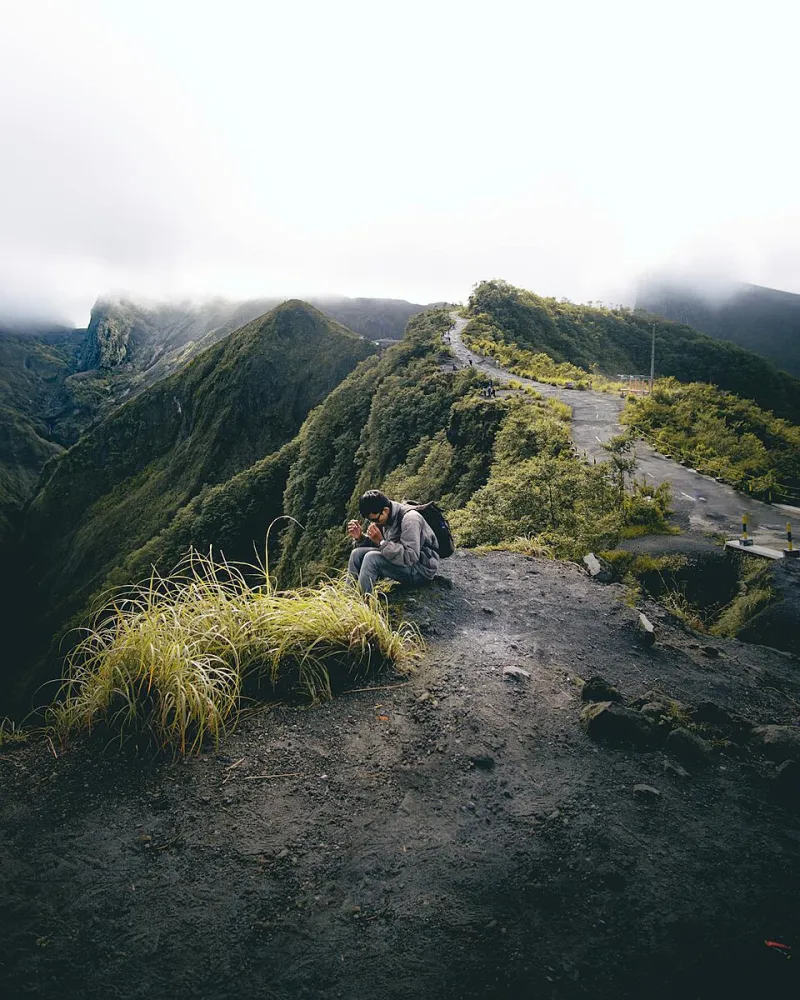
You can take some of it back without a membership. Eat breakfast without a screen. Walk a block without a podcast. Let one car ride be just a car ride. It won't feel like luxury. It'll feel like withdrawal, and then, eventually, like room.
Quiet is the last luxury good we're fighting over. But unlike the corner office, it can still be made at home — with a door, a closed app, and the nerve to let a moment stay empty.